SAIVS
  • HOME
  • ABOUT US
    • Honor
    • Manufacturing Capacity
    • Privacy Policy
    • Terms of Service
    • FAQ
  • PRODUCTS
    • Hydraulic Pumps
      • Rexroth
        • A2F Series
        • A4 F/V Series
        • A7VO Series
        • A8VO Series
        • A10V Series
        • A11V Series
        • PG Series
        • AZ Series
        • PV Series
      • Parker
        • PV-plus Series
        • P1 PD Series
        • PAVC Series
        • VP1 Series
        • PG Series
        • P2 P3 Series
      • Sauer-Danfoss
        • 45 Series
        • 90 Series
      • Eaton Vickers
        • PVM Series
        • PVH Series
        • PVQ Series
        • PVE Series
        • VMQ Series
      • Nachi
        • PVD Series
        • PVK Series
        • PVS Series
        • PZS Series
        • PZ Series
      • Hawe
        • V30 Series
        • V60N Series
      • Kawasaki
        • K3V Series
        • K5V Series
      • Sumitomo
        • QT Series
      • Linde
        • MPR Series
        • HPV-02 Series
        • HPR-02 Series
      • Vane Pumps
      • Gear Pumps
    • Hydraulic Motors
      • SAI GM Series Motor
      • Intermot Piston Motor
      • Hydraulic Cycloidal Motors
      • Rexroth Hydraulic Motor
      • Poclain Hydraulic Motor
    • Hydraulic Valves
      • Pressure Relay
      • Pressure Valve
      • Threaded Cartridge Valve
      • Flow Valve
      • Anti-explosion Valve
      • Proportional servo valve
      • Direction Valve
      • Directional Control Valves
    • Planetary Gearboxes
      • Rexroth
      • Bonfiglioli
      • Brevini
      • Dinamicoil
      • O&K
    • Hydraulic Cylinder
      • Aerial Work Platforms
      • Agricultural Equipment
      • Construction Equipment
      • Manufacturing Equipment
      • Marine
      • Material Handling
      • Mining
      • Road Service
      • Waste/Recycling
      • Cylinder Parts
    • Hydraulic Power Units
      • Scissor High Altitude Platform
      • Pallet Car
      • The Wing Car
      • Lift Platform
      • Automobile Tail Plate
      • Special Vehicle
    • Hydraulic Pump Parts
      • Parker Series
      • Komatsu Excavator Series
      • Hitachi Series
      • Rexroth Series
      • Sauer Danfoss Series
      • Uchida Series
      • Messori Series
      • Kayaba Series
      • Toshiba Series
      • Nachi Series
      • Eaton Vickers Series
      • Linde Series
      • Caterpillar Series
      • Kawasaki Series
      • Kobelco/Kato Series
      • Hawe Series
      • Sumitomo Series
    • Hydraulic Tools
      • Flange Tools
      • Hydraulic Lifting tools
        • Hydraulic pump
        • Hydraulic Cylinder/Jack
        • Hydraulic Professional Tools
      • Bolting Tools
        • Hydraulic Tensioners
        • Hydraulic Torque Wrench Pumps
        • Torque wrenches
      • Hydraulic Components
      • Electric Power Tools
    • Hydraulic System
    • Hydraulic Manifolds
    • Hydraulic Winch
    • Electro Hydraulic Actuators
  • APPLICATIONS
    • MOBILE
    • AGRICULTURE
    • INDUSTRIAL
    • ENERGY
    • FOOD & BEVERAGE
    • OIL & GAS
  • DOWNLOAD
    • Best PDF
  • CONTACT US
  • BLOG
HOME > BLOG

What is the difference between spring and manual return tensioner

Author:SAIVS Time:2024-08-05 Click:

Introduction

Tensioners are essential devices in various industrial applications, used to apply a controlled force to a bolt or similar component to ensure proper tension and secure fastening. Among the different types of tensioners, the spring return tensioner and the manual return tensioner are widely used. Understanding the differences between these two can help in selecting the right tool for specific tasks, enhancing efficiency and safety in operations.

Spring Return Tensioner
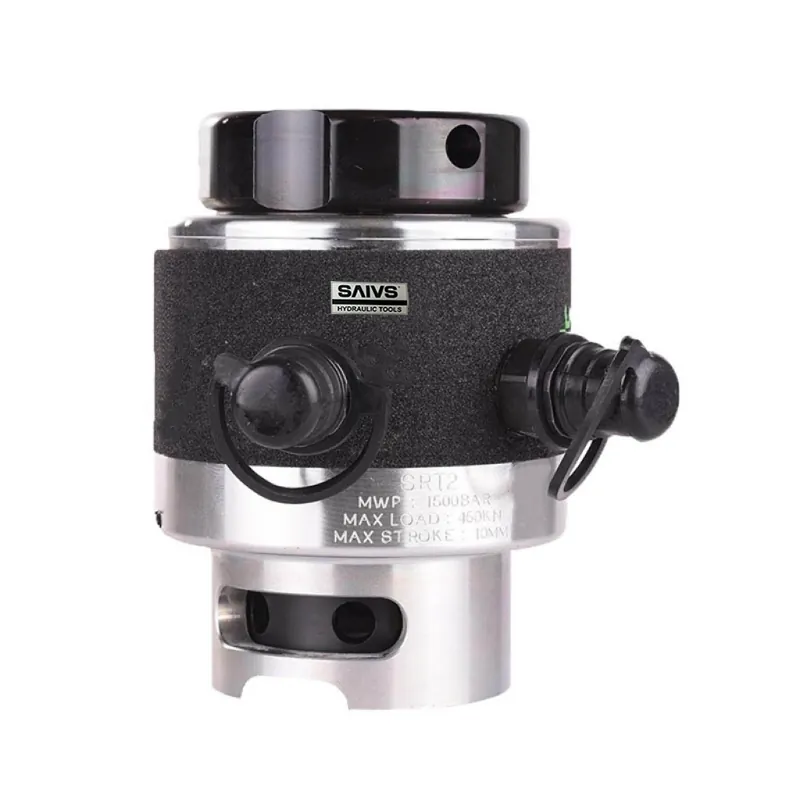
SRT, 1500 bar Spring Return Bolt Tensioners

Mechanism and Functionality:

A spring return tensioner utilizes a spring mechanism to automatically return to its original position after the tensioning process is completed. The spring stores energy during the tensioning phase and releases it to return the tensioner to its default position.

Advantages:

Efficiency: The automatic return function reduces the time required to reset the tool, making it ideal for repetitive tasks.

Ease of Use: Minimal manual intervention is required, reducing operator fatigue and improving overall productivity.

Consistency: Provides consistent performance with uniform tensioning and returning, which is crucial in applications where precision is critical.

Applications:

Spring return tensioners are commonly used in assembly lines, automotive manufacturing, and other industrial settings where repetitive tensioning operations are frequent.

Manual Return Tensioner
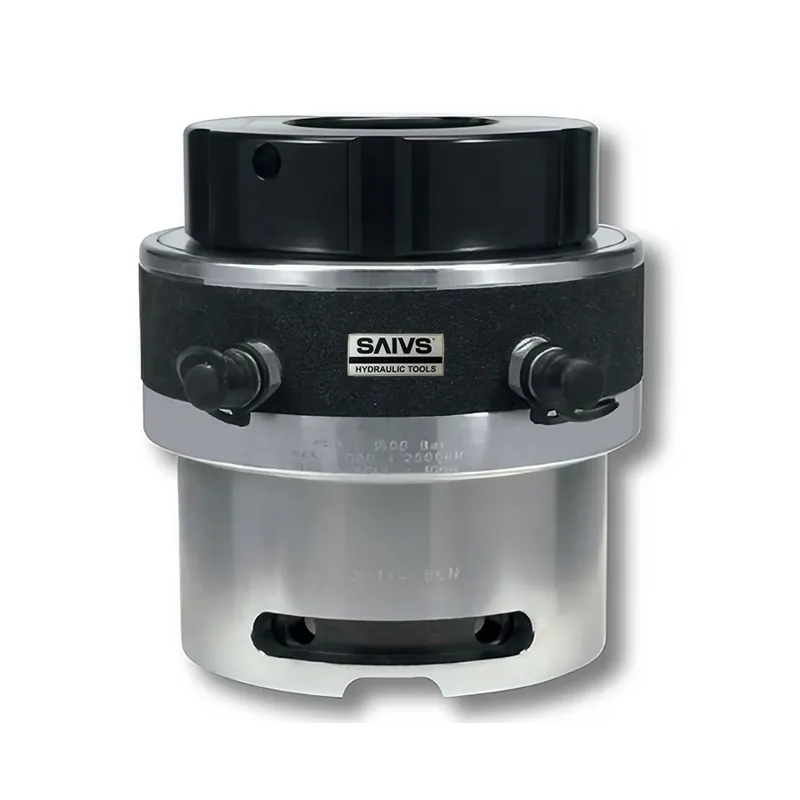
MRT, 1500 bar Manual Return Bolt Tensioners

Mechanism and Functionality:

A manual return tensioner, on the other hand, requires the operator to manually reset the tool to its original position after each tensioning operation. This type of tensioner relies on human intervention for its resetting process.

Advantages:

Control: Offers greater control over the tensioning process, allowing for adjustments and fine-tuning as needed.

Versatility: Can be used in a variety of applications, especially where automatic return mechanisms may not be suitable.

Cost-Effective: Generally less expensive than spring return tensioners, making them accessible for smaller operations or budget-conscious projects.

Applications:

Manual return tensioners are often found in maintenance, repair operations, and industries where the frequency of tensioning is lower or where precision manual control is required.

Key Differences

Return Mechanism: The primary difference lies in the return mechanism—spring return tensioners use an automatic spring mechanism, whereas manual return tensioners rely on manual intervention.

Efficiency and Speed: Spring return tensioners are faster and more efficient for repetitive tasks due to their automatic resetting, while manual return tensioners may slow down operations but offer more control.

Ease of Use: Spring return tensioners are generally easier to use and reduce operator fatigue, whereas manual return tensioners require more effort and attention from the operator.

Cost: Spring return tensioners are typically more expensive due to their complexity and automatic features, while manual return tensioners are more budget-friendly.


FeatureSpring Return TensionerManual Return Tensioner
Piston retractionAutomatic (spring-powered)Manual
EfficiencyHigherLower
Operator fatigueLessMore
SafetyGenerally higherGenerally lower


Conclusion

Choosing between a spring return tensioner and a manual return tensioner depends on the specific needs of the operation. For repetitive tasks requiring speed and efficiency, a spring return tensioner is ideal. However, for tasks requiring precision and control, or where budget constraints are a consideration, a manual return tensioner may be more appropriate. Understanding these differences ensures the right tool is selected, improving productivity and safety in industrial applications.
Tag: Spring Return Tensioner Manual Return Tensioner Hydraulic Bolt Tensioner

Random Recommend

  • Hydraulic Vane Pump: Understanding and Preventing Cavitation Damage
  • Can a Hydraulic Motor Drive a Load When the Hydraulic Pump Flow is Insufficient
  • How the stroke of a hydraulic jack is controlled
  • Measurement of the dead band in a control valve
  • The Advantages of Hydraulic Torque Wrenches in Industrial Applications
  • Hydraulic Cylinder Validation Testing: Ensures safety, reliability, and performance
  • The Role of 700 Bar Hydraulic Jacks for Bridge Construction
  • SAIVS Battery Torque Wrench Repair, Calibration and Buying Guide
  • Understanding Graphical Symbols and Terminology for Directional Valves
  • Improving Pressure Stability in Proportional Pressure Relief Valves

Related Products

HPV35/HPV55/HPV90/HPV160/PC50/PC400-7

HPV35/HPV55/HPV90/HPV160/PC50/PC400-7

Bracket hydraulic cylinder

Bracket hydraulic cylinder

Sumitomo Hydraulic pump QT series

Sumitomo Hydraulic pump QT series

Hydraulic Pump With Electric Motor

Hydraulic Pump With Electric Motor

SCM Series Hydraulic Pusher

SCM Series Hydraulic Pusher

A7VO Rexroth Hydraulic pump 28 55 80 107 160

A7VO Rexroth Hydraulic pump 28 55 80 107 160

LW16,Lifting Stoke 21mm,Hydraulic Vertical Lifting Wedge

LW16,Lifting Stoke 21mm,Hydraulic Vertical Lifting Wedge

EM56 TRAVEL MOTOR

EM56 TRAVEL MOTOR

Lift Table Hydraulic Power Units

Lift Table Hydraulic Power Units

Hydraulic Power Units For Vehicle Tailgate

Hydraulic Power Units For Vehicle Tailgate

  • ABOUT US

    • Honor
    • Manufacturing Capacity
    • Privacy Policy
    • Terms of Service
    • FAQ
  • PRODUCTS

    • Hydraulic Pumps
    • Hydraulic Motors
    • Hydraulic Valves
    • Planetary Gearboxes
    • Hydraulic Cylinder
    • Hydraulic Power Units
    • Hydraulic Pump Parts
    • Hydraulic Tools
    • Hydraulic System
    • Hydraulic Manifolds
    • Hydraulic Winch
    • Electro Hydraulic Actuators
  • APPLICATIONS

    • MOBILE
    • AGRICULTURE
    • INDUSTRIAL
    • ENERGY
    • FOOD & BEVERAGE
    • OIL & GAS
  • CONTACT US

    NO. 626 Yuncai Road,

    Yunlong Town, Yinzhou,

    Ningbo, Zhejiang, China.

    +86-574-88188161
    +8613905748980

    Monday - Friday:

    8:30 AM to 5:30 PM

    seo1@saivs.com

    Saivs industrial twitter youtube linkedin pinterest
Copyright © 2012-2026 Ningbo Saivs Machinery Co.,ltd. 
TAGS  SiteMap